Gabion baskets
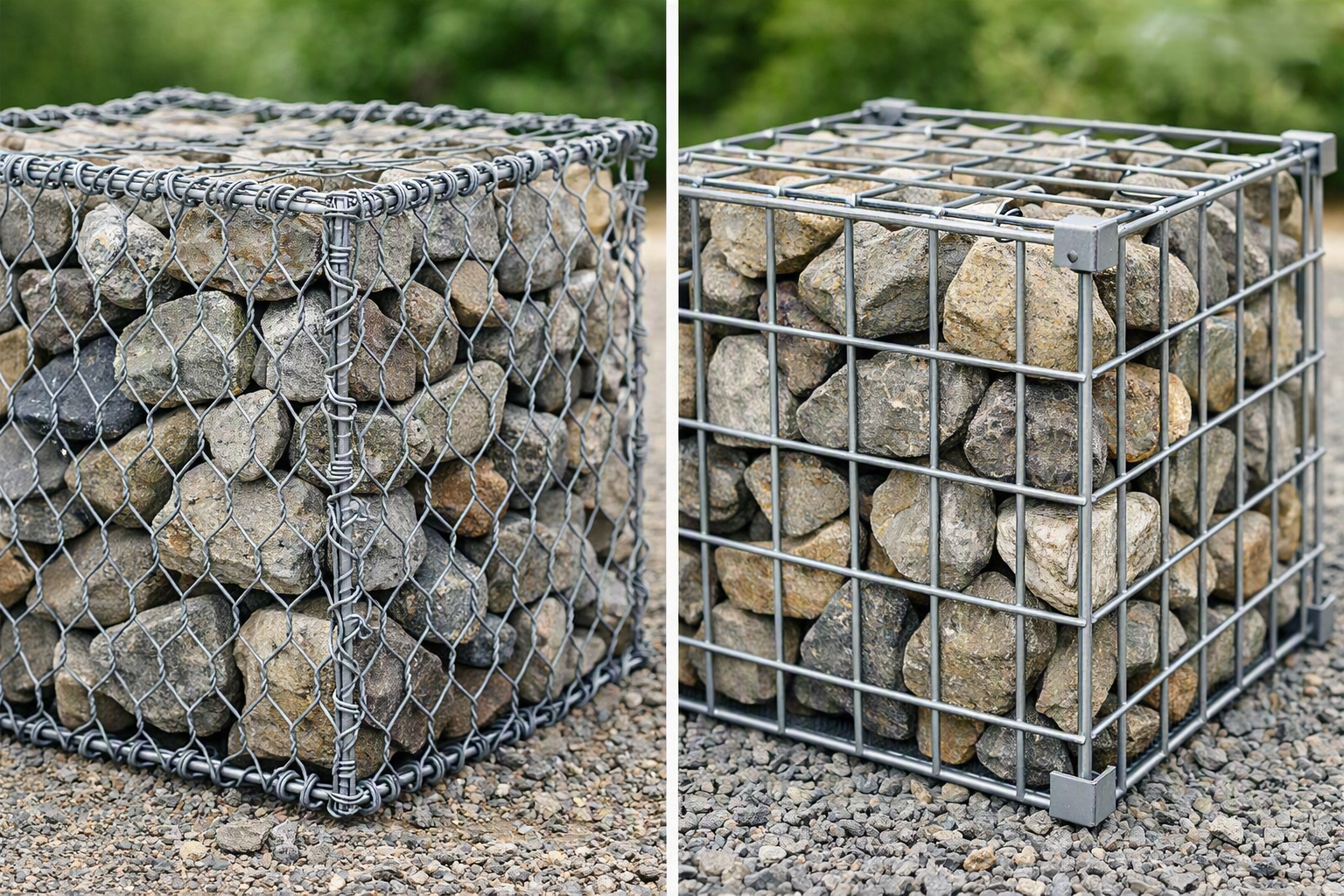
9 practical uses for gabion baskets in Saudi Arabia: solutions for protection, beautification, and infrastructure.
introduction
Gabion baskets are mesh boxes made of galvanized steel wire, or galvanized wire coated with PVC, filled with stones to create strong yet flexible structural or aesthetic elements. The concept is simple, but their applications are very wide in Saudi Arabia due to the diverse terrain, from the mountains of Asir and Al-Baha to the seasonal valleys of the Hejaz and Najd, and from the coasts of the Red Sea and the Arabian Gulf to the desert environments with their winds and sand. When the need is for erosion protection, slope stabilization, the construction of an economical retaining wall, or adding a natural touch to gardens and facades, gabion baskets emerge as a practical and suitable solution for local conditions.
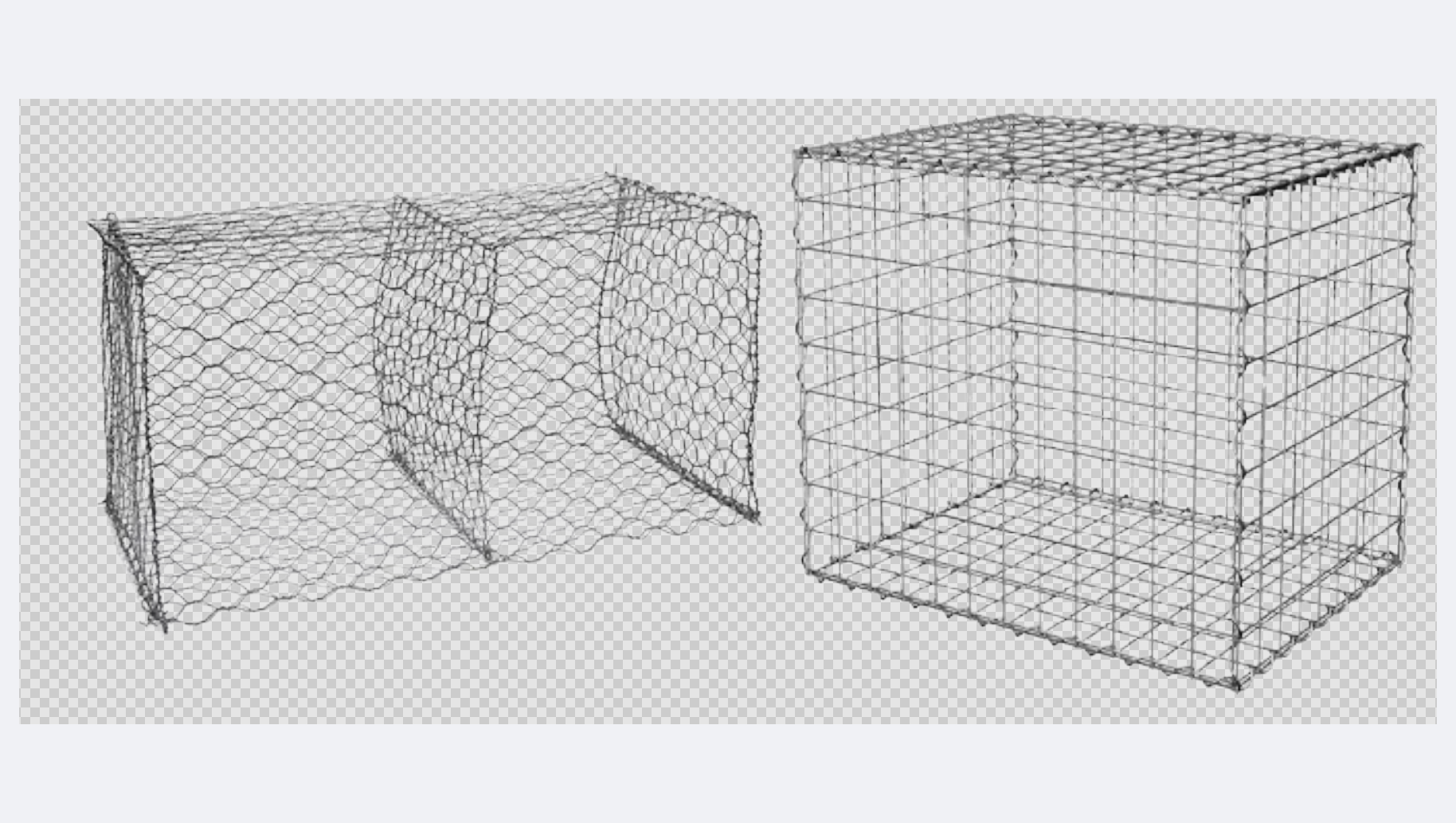
Gabion is distinguished by its ability to allow water to pass through the gaps between the stones, thus reducing water pressure behind the wall compared to solid concrete. Its considerable self-weight provides high stability, and its flexibility allows it to adapt to minor settlements without sharp cracks. With the right stones selected and the baskets properly connected, it can last for many years with minimal maintenance. In this article from World of Fence Contracting, a fencing contractor, we present nine practical uses for gabion baskets in Saudi Arabia, combining protection, aesthetics, and infrastructure project functionality. Presented in a clear point-by-point format, along with design and implementation tips to help you make the right decision for your project.
Before we begin, what makes Gabions suitable for Saudi Arabia?
- Flood and erosion resistance: Suitable for valleys and surface drainage because it dissipates water energy and reduces soil erosion.
- Flexibility against settlement: It withstands minor soil settlements without the appearance of troublesome structural cracks.
- Relatively quick implementation: The baskets can be installed and filled with stone depending on the availability of equipment and location.
- Available materials: Stone is available in many areas, and local stones can be chosen to reduce costs.
- Natural aesthetics: Its stone form blends in with the environment, and can be combined with plants or lighting.
- Adjustable and expandable: It is easy to add layers or extend the length of the wall when needed.
1) Protecting the banks of valleys and flood channels, stabilizing the sides of natural waterways
One of the most common applications in Saudi Arabia is the use of gabion baskets to protect the banks of wadis, especially in areas prone to sudden seasonal flash floods. These floods can cut off roads and damage farms or other structures near the wadi bed, as well as cause erosion o