Gabion baskets: their nature and uses
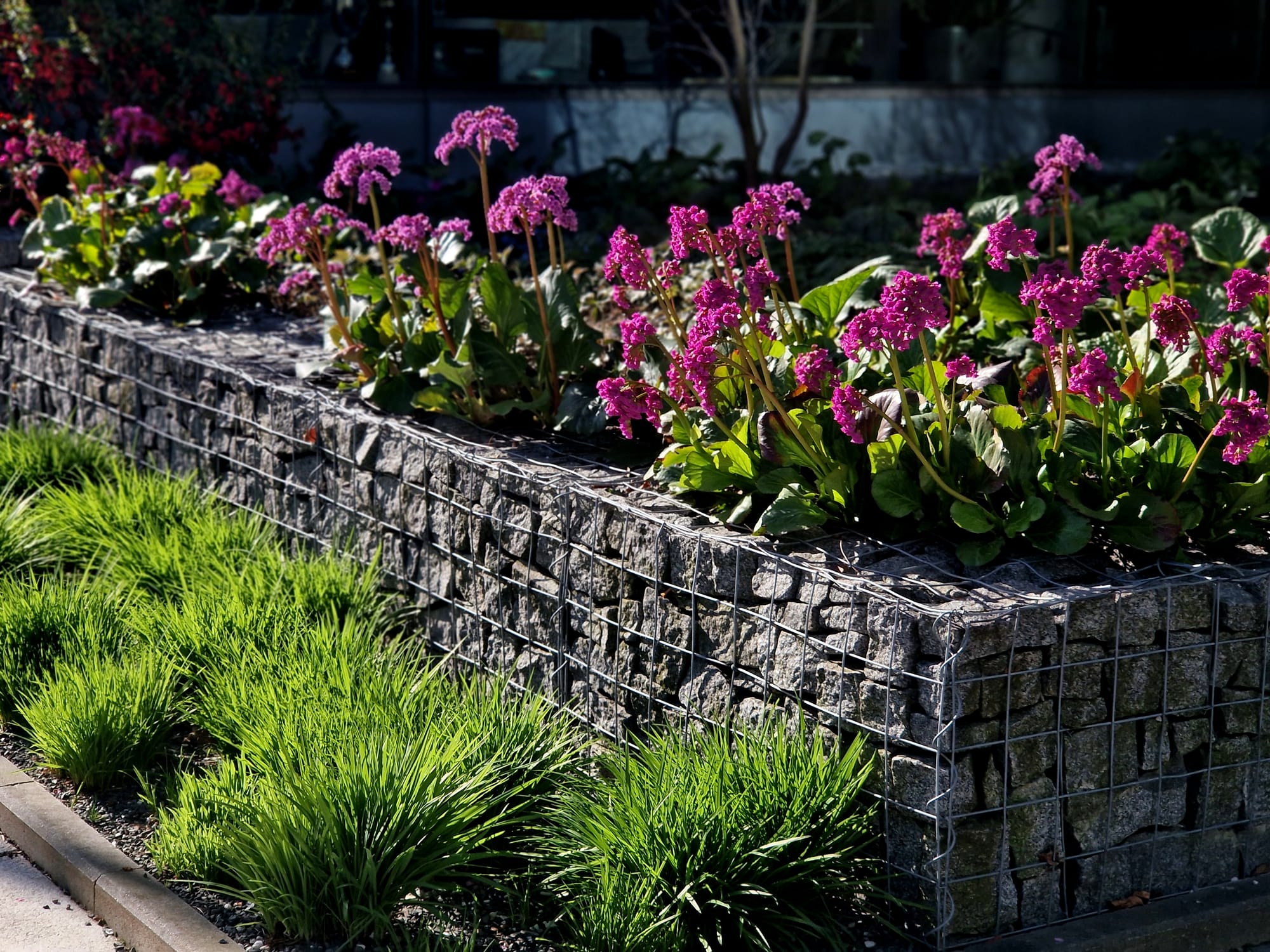
Gabion baskets, also known as stone baskets or stone boxes, are a popular structural solution widely used in various engineering and architectural projects. These solutions are environmentally friendly and cost-effective, and are used for multiple purposes such as providing support, preventing erosion, and enhancing the aesthetics of public and private spaces. In this article, we will explore what gabion baskets are, the materials used in their construction, and how they can be used in diverse projects, with a detailed explanation of each step.
What are gabion baskets?
Gabion baskets are box-shaped or basket-like wire mesh structures typically made of galvanized or plastic-coated wire for corrosion resistance. These structures are filled with stones or other natural materials, creating sturdy and durable units. They can be used individually or stacked to form retaining walls or support structures.
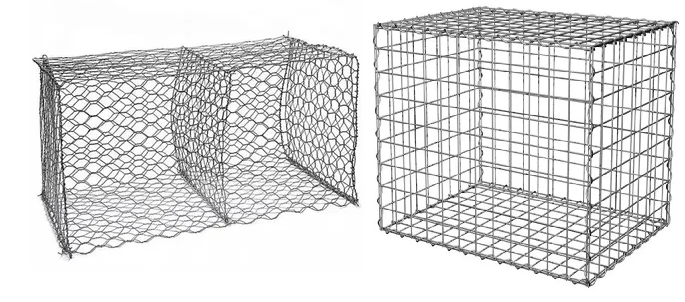
Materials used in gabion baskets
There are several materials used in the manufacture of gabion baskets, including the following:
- Metal mesh: It is usually made of galvanized steel wire to ensure protection against corrosion, and in some cases it is covered with plastic for added durability.
- Stones: Strong, heavy stones are used to fill the baskets, whether they are extracted from nature or crushed artificially.
- Additional materials: Other materials such as sand or soil can be added to support the structures or improve the adhesion of the stones to each other.
Steps for using gabion baskets
If you are considering using gabion baskets in a project, you can follow these steps to ensure the best results:
- Step 1: Determine your needs: Before using gabion baskets, you need to determine their purpose. Do you need them to create a retaining wall, for landscaping, or for soil stabilization? Once you've determined your goal, you can move on to the next step.
- Step two: Choosing the right location: Carefully select the location where you will place the baskets. Ensure that this location is sturdy and stable, as this will improve the effectiveness of the gabions and ensure their long-term sustainability.
- Step 3: Measure and plan dimensions: Use measuring tools to determine the dimensions of the baskets you need. It is important to have an accurate idea of the required sizes and spaces.
- Step 4: Assembling the basket frame: Assemble the gabion mesh into a box-like structure or according to the desired design. Ensure the structure is sturdy and securely fastened.
- Step 5: Filling the baskets: Begin by filling the baskets with suitable stones. It is preferable to place the larger stones at the bottom for greater stability, then add the smaller
